Marketing
Duolingo killed its owl and the internet lost it
Duolingo turned a fake mascot death into a full-blown internet event, and the numbers show exactly how hard people bit.
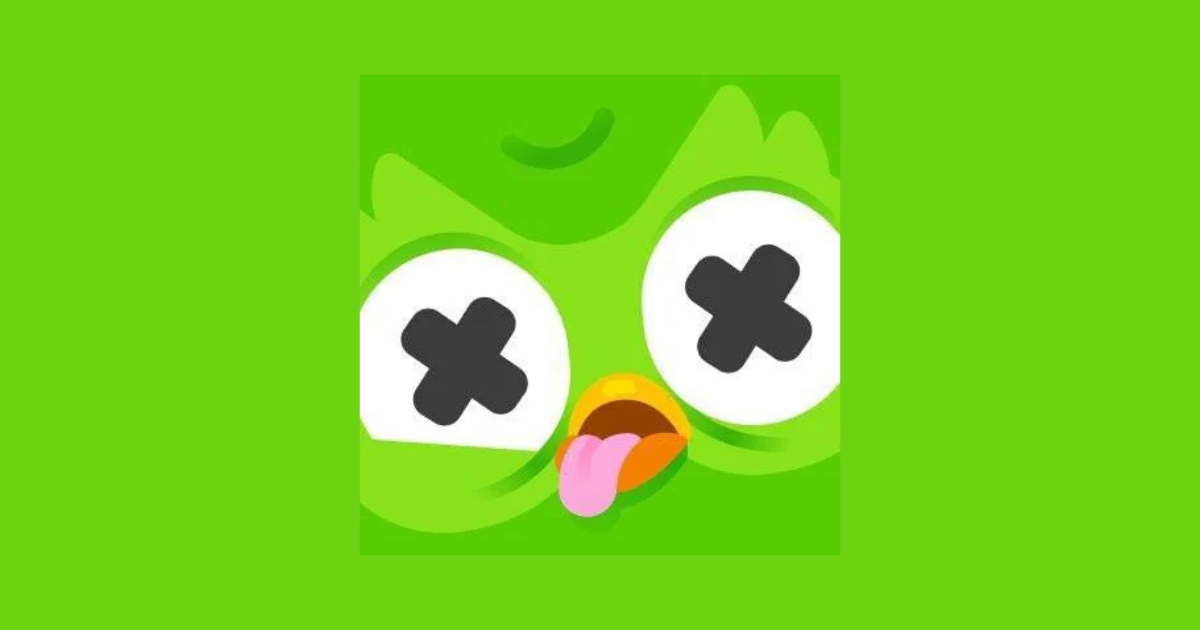
The stunt was stupidly simple
Duolingo did something most brands only fantasize about: it made its mascot the headline.
On February 11, 2025, the company announced that Duo the owl had died. That was the whole hook. No complicated explanation, no slow burn, no brand-soaked essay. Just a fake death, a weird image, and a sentence that made people stop scrolling.
That is why it worked. Viral ideas usually need two things at once: instant clarity and just enough absurdity to force a share. Duolingo nailed both.
Why everyone kept reposting it
The announcement hit because Duolingo had already taught the internet to expect chaos from it. Duo was not a cute mascot floating above the brand. He was the brand’s most recognizable menace, a streak-obsessed owl people already knew by personality.
So when Duolingo “killed” him, it did not feel random. It felt like a plot twist in a story the audience had been following for years.
Then the company added the smartest part: it turned the joke into participation. People were invited to help bring Duo back, which gave the meme a goal, a scoreboard, and a reason to keep coming back.
The numbers got ridiculous fast
The campaign reportedly generated 1.7 billion impressions across social channels in two weeks. That is not “good engagement.” That is a brand accidentally becoming part of the culture calendar.
Meltwater found roughly 169,000 mentions of Duolingo’s mascot over the two-week window from February 4 to February 17, 2025, and said mentions spiked by about 25,560% on the day the death announcement went live. The same analysis said #ripduo appeared more than 45,000 times.
Other reported figures were just as loud: 2.1 million likes and 623,000 shares on the Instagram announcement, more than 63.5 million views on a single TikTok, and about 240 million views across Duolingo’s own posts on X.
Duolingo has also said social media drives about 15% of its users, which is the real reason this stunt matters. For them, virality is not decoration. It is distribution.
What we actually learn from this
Here is the blunt version: you cannot fake your way into this level of attention if the audience does not already believe your brand has a personality.
Duolingo did not go viral because it was random. It went viral because the stunt fit the character. The owl was already famous enough to kill off, and the audience was already invested enough to care.
That is the real takeaway. Virality is not the prize. Character is the prize. Virality is what happens when the character is strong enough to survive being turned into a joke.
If your brand has no voice, a fake death is just cringe. If your brand has a voice, it can become a cultural event.
Sources